Self Taught Golf Swing Techniques That Work For Beginners
Discover Self Taught Golf Swing Techniques For Beginners That Improves Your Swing And Hit Straighter Shots Down The Fairway
Self Taught Golf Swing Techniques For Beginners – Most beginners who try to learn golf on their own quickly realize that fixing their swing isn’t as simple as watching a few YouTube videos or copying what other players do. The truth is this: self taught golf swing techniques for beginners can work incredibly well — if you understand how to avoid the most common accuracy-killing mistakes that new golfers make. Many first-time players accidentally build bad habits into their beginner golf swing, from poor setup positions to inconsistent tempo and rushed mechanics.
The good news? You don’t need private lessons to build a more repeatable and accurate swing. With the right self taught golf swing techniques, simple alignment fundamentals, and a handful of beginner-friendly drills, you can dramatically improve your ball flight, contact, and consistency.
In this guide, you’ll learn proven golf swing techniques for beginners designed to eliminate common golf swing faults, boost accuracy, and give you a rock-solid foundation as a self-taught golfer.
The #1 Accuracy Problem With Self-Taught Golfers (And How to Fix It Fast)
If you’re teaching yourself how to swing a golf club, the biggest challenge you’ll face is developing consistent mechanics without feedback. Most beginners don’t struggle because they lack power — they struggle because their setup and first move put them out of position before the swing even starts. This is the accuracy killer hiding inside many self taught golf swing techniques beginners usually get wrong.
The most common issue? Poor alignment and posture.
New golfers often stand too open, too closed, or with their shoulders tilted the wrong direction. When the setup is off, the club is forced into compensations, leading to inconsistent contact, slices, and weak shots. These are classic beginner golf swing mistakes that creep into nearly every self-taught swing.
Why Most Self-Taught Golfers Start With Bad Mechanics
Without lessons, it’s easy to copy what you think a good swing looks like—usually an exaggerated takeaway, too much wrist roll, or an overactive arm motion. These small errors compound and lead to major golf swing faults like an unstable swing plane, early lifting, and loss of accuracy.
Quick Fix Checklist for Immediate Accuracy Gains
Use this simple setup routine before every swing:
-
Align feet, hips, and shoulders parallel to your target line
-
Keep your weight balanced between both feet
-
Maintain a neutral grip with relaxed pressure
-
Start your takeaway with a one-piece motion (arms + shoulders together)
-
Keep your head stable and chest pointed down through impact
Dialing in these foundational pieces will immediately improve accuracy and help you build more reliable self taught golf swing techniques as a beginner.
“What Happens When You Follow This 7-Day Golf Swing Improvement Guide? Day 3 Is a Game-Changer.” Get it here https://thegolfswinglab.com
Core Self Taught Golf Swing Techniques for Beginners That Improve Accuracy
To build a repeatable, accurate swing without an instructor, you need simple movements you can verify on your own. These self taught golf swing techniques for beginners are designed to eliminate confusion, correct common accuracy killers, and give you the same fundamentals great players rely on—without needing private lessons. Each technique below helps stabilize your mechanics, reduce compensations, and build a more dependable ball flight.
Technique #1 — The Stable Triangle Setup
Accuracy starts before you even swing the club. In the address position, imagine a triangle formed between your arms and shoulders. Keeping this triangle stable during the takeaway prevents excessive wrist roll and reduces many golf swing faults beginners struggle with.
A stable triangle promotes:
-
Straighter takeaway
-
Better clubface control
-
More centered contact
This one simple concept fixes a huge percentage of beginner golf swing mistakes.
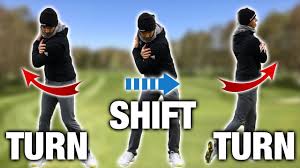
Technique #2 — Level Hip Turn for Consistent Ball Striking
One of the biggest issues with self taught golf swing techniques is excessive hip sway. Beginners often shift sideways instead of turning in place, which destroys accuracy.
Instead:
-
Rotate your hips around your spine, not across it
-
Keep your trail hip slightly back, not sliding toward the target
-
Maintain balance throughout the motion
This creates a more reliable swing plane and improves contact, especially for beginner golf swing accuracy.
Technique #3 — The 2-Step Tempo Method (Perfect for Self-Taught Golfers)
A smooth tempo is one of the easiest ways to boost accuracy fast. Try this simple rhythm:
One — Takeaway to the top
Two — Smooth downswing through impact
This 2-step timing pattern helps you build better golf swing tempo, reduces rushing, and keeps the swing synchronized—especially helpful for self taught golf swing tips for total beginners.
Mastering these foundational techniques makes the rest of your swing far easier to control and dramatically improves accuracy without needing a coach.
Common Self-Taught Golf Swing Techniques Beginners Usually Get Wrong
Even though self-teaching can absolutely work, many self taught golf swing techniques beginners usually get wrong make progress slow and frustrating. These mistakes are subtle enough that most golfers don’t even realize they’re causing accuracy problems — but fixing them quickly leads to straighter, more consistent shots.
Mistake #1 — Overusing the Arms Instead of the Body
Beginners often rely too much on their hands and arms, causing the clubface to open or close unpredictably. This leads to slices, hooks, and inconsistent contact.
The Fix:
Rotate your chest and hips together during the takeaway. Let the body guide the swing while the arms stay connected. This eliminates common golf swing faults tied to poor sequencing.
Mistake #2 — Rolling the Hands in the Takeaway
Self-taught golfers often roll the clubface open early, thinking it helps create a bigger arc. Instead, it destroys accuracy and forces compensations later in the swing.
The Fix:
Keep the clubface square by moving the club back with your arms and shoulders as one unit. This helps beginners avoid major golf swing mechanics issues.
Mistake #3 — Improper Grip Pressure and Wrist Motion
Holding the club too tightly or hinging the wrists too early is one of the top beginner golf swing mistakes.
The Fix:
Use a light-to-medium grip pressure and hinge naturally as the club rises. This promotes a smoother swing path and better accuracy.
Mistake #4 — Trying to Hit the Ball Instead of Swinging Through It
Most beginners freeze up at impact, stopping the swing and “hitting” instead of flowing through.
The Fix:
Focus on finishing high with balanced follow-through. This encourages a more natural release and improves ball-striking for self taught golf swing techniques.
Correcting these common errors immediately upgrades your accuracy and helps you build a stronger foundation as a self-taught golfer.
Quick Accuracy Drills for Self-Taught Golfers (No Lessons Needed)
One of the fastest ways to improve consistency as a self-taught golfer is to use simple, repeatable drills that reinforce proper mechanics. These drills are designed specifically for self taught golf swing techniques for beginners, helping you correct alignment, ball-striking, and swing path issues without needing an instructor. Each drill can be done at the range or even at home, making them perfect for total beginners who want a more accurate and repeatable golf swing.
Drill #1 — Alignment Stick Gate Drill
Most beginners miss targets because their clubface isn’t returning to square at impact. The “gate drill” trains precision instantly.
How to Do It:
-
Place two alignment sticks slightly wider than your clubhead
-
Hit balls through the “gate” without touching the sticks
-
Focus on a smooth takeaway and square clubface
This drill fixes a large number of self taught golf swing techniques beginners usually get wrong, especially face control.
Drill #2 — Swing Path Toe-Line Drill
If your shots curve too much, your swing path is likely off. This toe-line drill reinforces a consistent plane.
How to Do It:
-
Place a stick along your toe line
-
Match your takeaway and downswing to the angle of the stick
-
Avoid rolling the club inside early
This helps beginners correct common golf swing faults and stabilizes path without needing lessons.
Drill #3 — The 10-Ball Target Consistency Test
Accuracy comes from repetition, not speed.
How to Do It:
-
Pick a small target (flag, cone, or bucket)
-
Hit 10 shots with the same club
-
Track how many land near your target
This builds awareness and trains a more accurate beginner golf swing over time.
Drill #4 — The Tempo Metronome Method
Rushing the swing destroys accuracy. A simple metronome app helps build smoother golf swing tempo and better rhythm.
How to Do It:
-
Set a metronome to a steady beat
-
Use a 2-beat rhythm: one (backswing), two (downswing)
-
Repeat 20–30 times to ingrain the flow
This drill is especially effective for self taught golf swing tips for total beginners who struggle with consistency.
How to Improve a Self-Taught Golf Swing as a Beginner (Day-by-Day Plan)
(≈ 260–300 words)
Improving your swing without lessons is absolutely possible — as long as you follow a structured plan. Many new golfers jump from tip to tip without focusing on the fundamentals long enough to see results. This 7-day routine shows how to improve a self taught golf swing as a beginner by developing consistency, accuracy, and better mechanics through repetition and simple checkpoints.
Day 1–2: Reset Your Setup & Posture
Most accuracy issues start before the club even moves.
During the first two days, focus exclusively on:
-
Proper alignment (feet, hips, shoulders parallel to the target)
-
Balanced athletic posture
-
A neutral grip with relaxed pressure
-
Keeping the arms–shoulders “triangle” stable during takeaway
This eliminates many beginner golf swing mistakes and lays the foundation for accurate ball-striking.
Day 3–4: Path, Plane & Clubface Control
Once setup is stable, shift to the motion itself.
-
Use alignment sticks to guide your path
-
Avoid rolling the club inside early
-
Keep your takeaway on the same angle as your toe line
-
Practice slow-motion swings to control the clubface
These steps correct the most common self taught golf swing techniques beginners usually get wrong, especially those tied to slicing and inconsistent contact.
Day 5–7: Build Your Accuracy Routine
Finish the week by reinforcing consistency.
-
Use the 10-Ball Target Drill to measure accuracy
-
Practice the 2-Step Tempo Method for better rhythm
-
Track how many shots start on your intended line
-
Add one new drill each session
By day seven, your mechanics, tempo, and alignment will feel more natural — proving that self taught golf swing techniques for beginners can absolutely lead to rapid improvement without an instructor.
Discover the best self taught golf swing techniques for beginners
Building a consistent, accurate swing doesn’t require expensive lessons or years of trial and error. When you follow the right fundamentals, use simple checkpoints, and avoid the most common mistakes, self taught golf swing techniques for beginners can produce fast, measurable improvement. By focusing on proper setup, stable mechanics, smoother tempo, and a few reliable drills, any beginner can develop a more confident and repeatable golf swing.
Discover Easy Steps For A Beginners First Full Swing
The key is sticking with the process. Review your alignment, practice the techniques from this guide, and use the day-by-day improvement plan to reinforce better habits. Over time, these small adjustments create major gains in accuracy, ball-striking, and consistency.
For deeper swing fixes, check out:
-
How to Fix Your Golf Swing Mechanics Without Lessons (pillar post)
-
Beginner Golf Swing Accuracy Drills (PDF)
-
7-Day Self-Taught Swing Improvement Plan (supporting article)
With the right structure and practice routine, you can transform your game and develop a self-taught swing you can trust on every shot.